
Buying a hotel property management system is one of those decisions that quietly shapes every guest stay, every shift change, and every night audit for the next five to ten years. This guide walks through what a PMS actually does, the features that move the needle in a US hotel operation, the difference between cloud and legacy platforms, and the integrations that decide whether your tech stack will help your team or fight them. By the end you will have a clear shortlist of questions to ask vendors and a checklist you can use in demos.
Definition
What a hotel PMS really is
A property management system is the operational core of a hotel. It holds the reservation, the guest profile, the room status, the folio, and the rate. Front desk agents check guests in through it, housekeeping updates room status in it, and the night auditor closes the day from it. Every other system you run, from the booking engine to the POS to the channel manager, eventually writes back to the PMS.
In the United States the category has shifted dramatically over the last decade. Properties that once ran on server-based platforms like classic Opera or Maestro are migrating to browser-based property management software for hotels that lives in the cloud. The result is faster onboarding, lower IT overhead, and a richer ecosystem of plug-and-play integrations.
The core modules every hotel PMS should cover
Front desk
Arrivals, departures, walk-ins, room moves, folio splits, and group blocks. The screen your team lives on, so speed and keyboard shortcuts matter more than visual polish.
Reservations
Rate plans, restrictions, segments, deposits, and cancellation policies. Should sync in near real time with the channel manager and your direct booking engine.
Housekeeping
Room status, board assignments, inspection workflow, and maintenance tickets. Mobile-first is no longer optional in 2025, room attendants need it on a phone.
Revenue and rates
BAR management, yield rules, derived rates, and pickup reports. Look for clean exports to your RMS rather than a half-built revenue tool inside the PMS.
Payments
Tokenized card storage, PCI scope reduction, tap-to-pay at the desk, and refunds without leaving the folio. EMV and end-to-end encryption are table stakes.
Reporting and night audit
Trial balance, manager flash, market segment, source of business, and a night audit that does not require a human to babysit it.

Decision
Cloud PMS vs legacy PMS
Legacy systems still run a meaningful share of US inventory, especially in full-service and luxury properties with deep customization. They are stable, well understood, and often deeply integrated into the building. They are also expensive to maintain, slow to update, and painful to integrate with newer guest-facing tools.
- Cloud PMSsubscription pricing, automatic updates, open APIs, lower hardware cost, faster onboarding for new staff.
- Legacy PMSperpetual license or long-term contract, on-property servers, deep configuration, slower release cycles, costly upgrades.
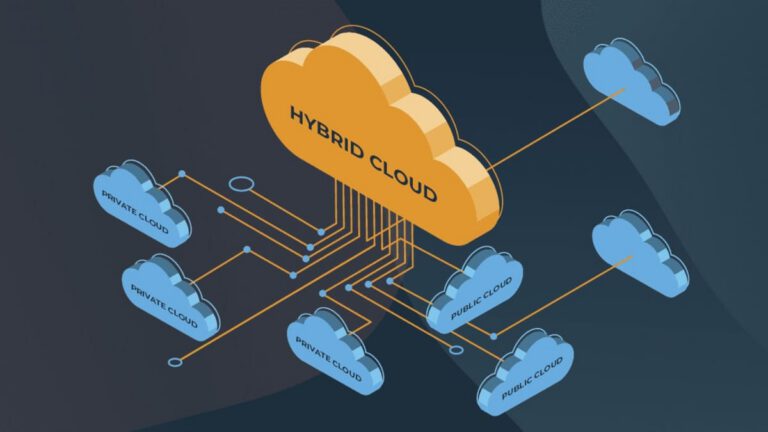
- Hybridvendors like Oracle now offer cloud editions of historically on-prem products, which can ease migration for brand-mandated properties.
For most independent and select-service hotels in the US, a modern hotel PMS software delivered as SaaS is the right answer. For branded full-service, your flag usually narrows the shortlist for you.
A six-step buying process that actually works
Step 1
Map your operation first
List every workflow that touches a guest or a folio. Front desk, housekeeping, F&B, spa, groups, OTA flow, night audit. Note where you currently lose time or money.
Step 2
Define non-negotiable integrations
Channel manager, payment processor, booking engine, RMS, POS, CRM, door locks. If any of these are not certified with a vendor, drop them from the shortlist.
Step 3
Build a written feature checklist
Score every demo against the same list. Separate must-haves from nice-to-haves so a slick UI does not distract from a missing tax module.
Step 4
Stress-test with real scenarios
Bring your messiest group reservation, your hardest split folio, and a refund with partial chargeback to the demo. Watch how the rep handles it live.
Step 5
Price the full stack, not the PMS
Per-room fees, transaction fees on payments, integration fees, training, data migration, and support tier. The sticker price is rarely the real number.
Step 6
Plan a realistic cutover
Pick a low-occupancy week, freeze rate changes, run parallel for a few days, and keep a printed arrival list for the first weekend. Cutover is where vendors are made or broken.
Integrations and the modern API ecosystem
A PMS in 2025 is judged by what it connects to as much as what it does on its own. The systems below should plug in cleanly, ideally through certified two-way integrations rather than nightly CSV drops.
- Channel manager and booking enginereal-time rate and availability sync to OTAs and your own site.
- POSroom charges from the restaurant, bar, and spa post to the folio without manual entry.
- CRM and emailguest profiles, stay history, and segmented campaigns triggered by PMS events.
- Payment gatewaytokenized cards, EMV, and tap-to-pay, with PCI scope reduction (PCI Security Standards Council).
- Self check-in and mobile keyskiosk, web, or app flow that issues a digital key to the guest’s phone.
- Door locks and IoTsmart locks, in-room energy controls, and maintenance sensors.
- Revenue managementdaily pickup and forecast feeds to your RMS of choice.
- AccountingGL export to QuickBooks, Sage Intacct, or M3.
Ask every vendor for a current integration catalog with version numbers, and confirm whether the connection is built by the PMS, by the partner, or by a third-party middleware. According to the American Hotel & Lodging Associationtechnology investment continues to rank among the top priorities for US hoteliers, and most of that spend lives or dies at the integration layer.

Guest experience
Self check-in, mobile keys, and where the desk is going
Self check-in is no longer a novelty in US hotels. Select-service brands have rolled it out at scale, and independents are following with kiosk or web-based flows. The PMS sits at the center: it has to handle ID capture, payment authorization, room assignment rules, and a mobile key issued to the guest’s phone, all without breaking the night audit.
When you evaluate a PMS, ask exactly how the self check-in flow handles a guest who arrives early, a card that declines, and a room that housekeeping has not yet released. The answers will tell you whether the vendor has actually run a hotel.
A buyer’s feature checklist you can download
Print this and bring it to every demo. Score one to five and compare across vendors at the end of the process.
- Front desk speedaverage clicks to check in a walk-in with a new card on file.
- Group handlingrooming lists, cut-off dates, master folio splits, and pickup reporting.
- Housekeeping mobile approom status updates, lost and found, and maintenance tickets from a phone.
- Paymentstokenization, EMV, tap, refunds, and chargeback workflow inside the folio.
- Reportingcustomizable, exportable, and accurate after a partial-night failure.
- Tax handlingstate, county, city, and occupancy taxes layered per rate plan.
- User permissionsrole-based access with override approvals logged for audit.
- Integrationscertified two-way connections to your channel manager, POS, CRM, RMS, and locks.
- API accessopen REST or GraphQL endpoints with documented webhooks.
- Support24/7 phone support with a US-hours desk and a published SLA.
Troubleshooting and common gotchas
Most PMS regret stories share the same root causes. The contract was signed before the integrations were verified, the data migration was rushed, or the training plan assumed the staff would learn on the job during a busy week. A few specific traps to watch for:
- Hidden transaction fees on the payments side that only show up after go-live.
- Rate parity issues caused by a channel manager that pushes faster than the PMS confirms bookings back.
- Reporting differences between the old and new systems during the first month, almost always a configuration mismatch rather than a real revenue problem.
- Mobile key failures on certain Android handsets, ask for current compatibility data.
- Night audit drift when daylight saving time changes, a classic and avoidable issue.
Frequently asked questions
What is the best hotel PMS for a US hotel?
There is no single best PMS, the right answer depends on property size, service level, and brand affiliation. Branded full-service hotels in the US often run Oracle OPERA Cloud or a brand-mandated platform. Independent and select-service properties have a wider field including Cloudbeds, Mews, Stayntouch, Maestro, and innRoad, among others.
Score vendors against a written feature checklist and your required integrations rather than chasing the most popular name.
What is Opera Cloud?
Opera Cloud is Oracle Hospitality’s cloud-native version of its long-standing Opera property management system. It runs in a browser, removes most of the on-property server hardware, and is widely deployed across major hotel brands.
It is generally suited to larger and full-service operations, especially those with brand standards that require it. Smaller independents often find lighter cloud PMS platforms a better fit on cost and onboarding speed.
What features should a hotel PMS have at a minimum?
At a minimum, look for fast front desk and reservations workflows, mobile housekeeping, tokenized payments with EMV, configurable rates and taxes, a reliable night audit, role-based user permissions, and certified two-way integrations with your channel manager, POS, and payment processor.
Beyond that, self check-in, mobile keys, CRM connectivity, and open API access are increasingly expected rather than optional.
How long does it take to switch hotel PMS?
For a small to mid-size US property, plan on six to twelve weeks from contract signature to go-live. That window covers data migration, integration setup, configuration, staff training, and a parallel run during a low-occupancy period.
Larger full-service hotels and resorts often run on a longer timeline, particularly when groups, F&B outlets, and spa systems all need to be re-mapped.
Is a cloud PMS secure enough for guest payment data?
A reputable cloud PMS paired with a tokenized payment gateway typically reduces your PCI scope compared to storing card data on a local server. Card numbers are replaced by tokens inside the PMS, and the actual data sits with the payment processor.
Always confirm the vendor’s PCI DSS attestation, encryption standards, and how cardholder data flows between the PMS, the gateway, and any connected systems before signing.
Do I still need a channel manager if my PMS has one built in?
If the built-in channel manager covers all the OTAs and metasearch sources you actually sell on, and the rate and inventory sync is genuinely real time, you may not need a separate product. In practice, many hotels still prefer a specialist channel manager for broader OTA coverage and more granular distribution rules.
Test the built-in option with your actual distribution mix before deciding.
Can a small independent hotel afford a modern cloud PMS?
Yes. Per-room monthly pricing on modern cloud platforms has brought serious PMS technology within reach of properties as small as ten to twenty rooms. The bigger cost question is the full stack: payments, channel manager, booking engine, and any add-ons.
Independents often come out ahead by switching from legacy on-prem systems because they eliminate server hardware, on-site IT, and costly version upgrades.

I write about how sites, digital tools and work processes affect real work. I am interested not in trends for trends’ sake, but in clear solutions that make the digital environment more convenient, more stable and more useful.