These days, cars are more than simply a way to get about. They have become connected devices that not only help you get to work but also turn computer time into a productive workspace. With the introduction of networking technologies, trips are no longer a waste of time and turn into a period when you can safely check messages, schedule tasks, listen to important audio recordings, or communicate – especially in fast-paced cities like Dubai, where many choose to rent a driver Dubai or hire driver Dubai services to free up their time even further.
Connection as the Basis for the Transformation of Trips
Today, car connectivity means that the vehicle is constantly connected to the Internet via embedded or unserialized communication systems. This allows the car to:
- Exchange real-time data with infrastructure and other vehicles
- Receive updates on the situation on the road, traffic jams, and accidents
- Optimize your route depending on traffic conditions
- Offer user-friendly work functions, such as voicemail, reminders, and tasks
- Integrate smartphone apps without distracting the driver
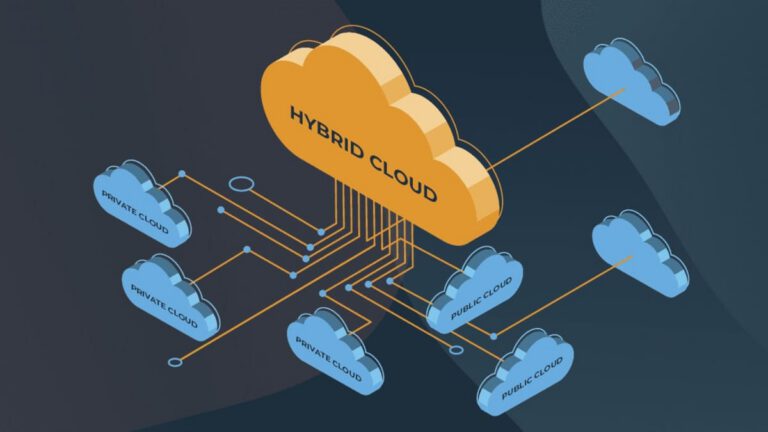
This connection works through several types of network communication, including Vehicle-to-Vehicle (V2V), Vehicle-to-Infrastructure (V2I), Vehicle-to-Cloud (V2C), and the generic term Vehicle-to-Everything (V2X). These technologies allow cars to exchange telemetry, traffic alerts, and safety warnings without driver involvement.
Increasing Travel Efficiency and Safety
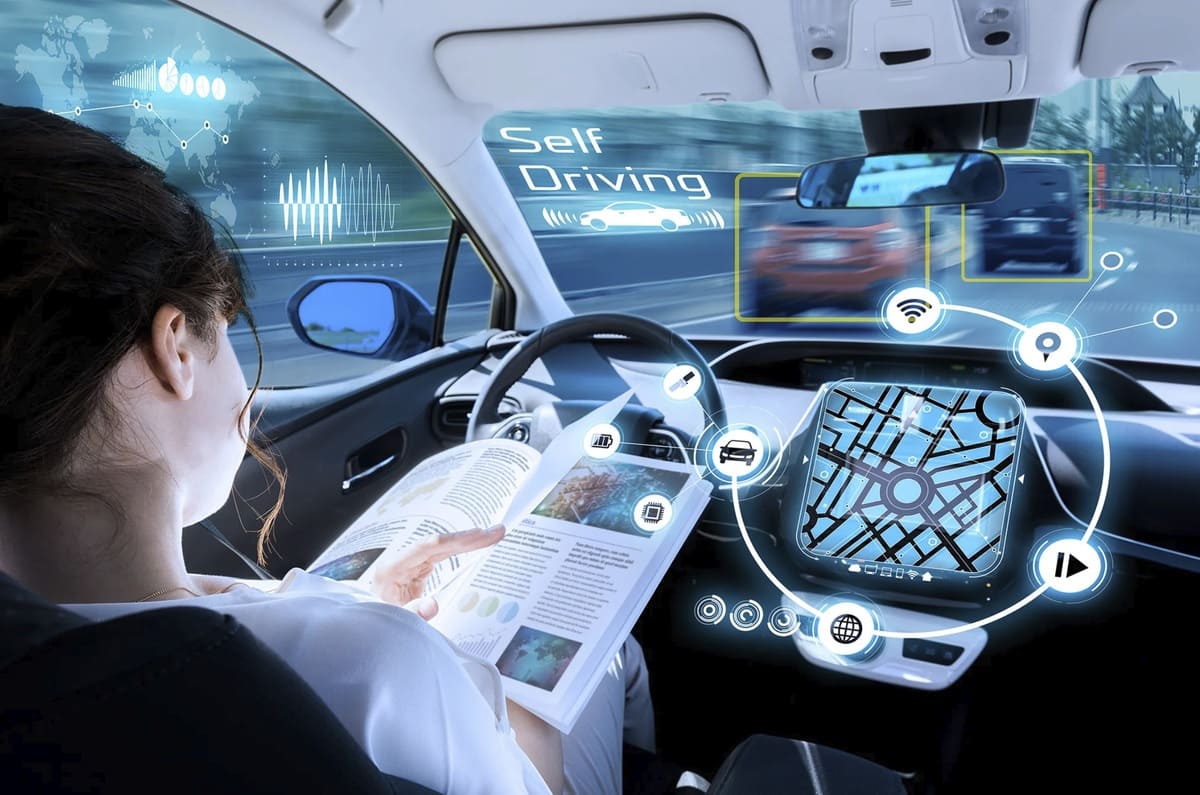
Increased safety is one of the primary benefits of network connectivity in automobiles. When a car in front of you suddenly brakes, for example, the system can anticipate this and alert the driver. This lessens the stress of travel and lowers the possibility of accidents during morning and evening journeys.
In addition, traffic optimization reduces congestion. The vehicle receives real-time data on road conditions and suggests alternative routes, which reduces travel time and reduces the load on major highways.
The Opportunity to Work Productively During the Trip
Previously, people spent time in the car solely on driving. Now, the combination of information systems, on-board connectivity, and voice interfaces allows you to use part of the trip productively – for example, plan tasks for the day, respond to messages, or listen to work notes using voice input. Such functions are becoming an important aspect of work, given that the average time committee can take up a significant part of the day.
Research shows that in large cities, daily commute time, can exceed 50 minutes each way, and the use of autonomous and connected systems will allow people to spend this time not only more safely, but also more efficiently.
New Topics of Travel and “Working Time.”
With the spread of network capabilities, cars have become not only a transportation tool, but also a mobile work platform.:
- Digital navigation and traffic forecasting allow you to plan tasks for longer trips.
- Voice interfaces reduce the need for manual device control while driving
- Real-time data allows you to adjust work plans and reminders depending on delays or changes along the way
- Vehicle information systems provide data on the condition of the vehicle, which helps maintain the rhythm of the working day without unnecessary distractions

Economic and Social Consequences
For professionals who rent a driver Dubai, this shift is even more pronounced. With someone else handling the road, the car effectively becomes a mobile workspace—quiet, private, and surprisingly efficient.
This shift affects not only individual drivers but also companies and organizations. The system of connecting cars to networks allows you to better plan work trips, reduce time loss, and increase overall productivity. In addition, the V2X infrastructure is gradually influencing the behavior of urban mobility, helping to reduce traffic jams and make trips more predictable.
Car connectivity is becoming a part of everyday life, not just a technological option. Thanks to network communications, modern sensors, and data processing systems, trips are no longer a “dead time” and have become an opportunity for productive work, relaxation, and safety.

I write about how sites, digital tools and work processes affect real work. I am interested not in trends for trends’ sake, but in clear solutions that make the digital environment more convenient, more stable and more useful.