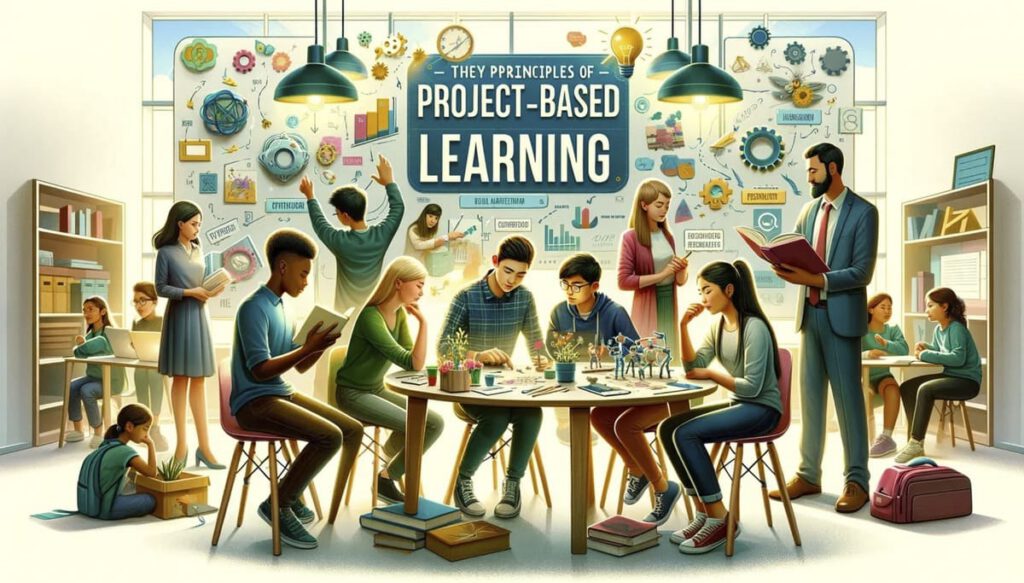
With this approach, the emphasis is shifted from memorisation of facts to the development of deep understanding and practical abilities.This is especially evident in elementary curriculum models that rely on hands-on exploration rather than abstract theory.
From Knowledge to Application
A key feature of project-based learning is working with real-world problems and authentic contexts. Students analyse the situation, formulate a problem, search for information, make decisions, and test hypotheses. In this process, knowledge ceases to be abstract and begins to work as a tool.
Because of this, project activity is linked to deeper material assimilation and increased long-term retention of information. Consolidation of knowledge occurs through application, comparison, correction, and introspection rather than repetition. In practice, this approach is widely used in stem projects for middle schoolers, where concepts from science, technology, engineering, and mathematics are applied to tangible challenges.
Formation of Universal and Transferable Skills
Project-based learning systematically develops critical thinking and problem-solving. Students learn to break down complex tasks into parts, analyse information from different perspectives, evaluate options, and choose solutions based on practical criteria. This is not a one-time activity but a repetitive process that forms stable theories of cognition.
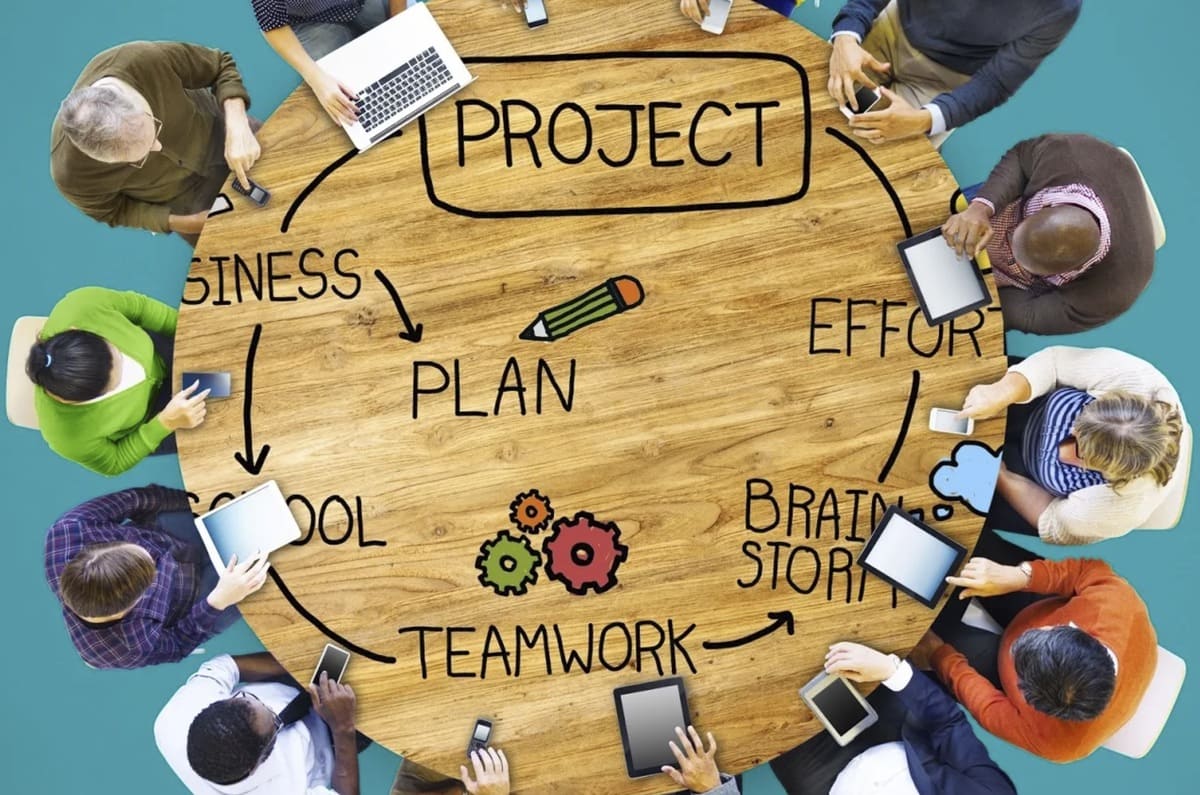
Cooperation becomes an integral part, communicating, assigning roles, making decisions, and resolving disputes. These skills are formed naturally, since a project cannot be completed alone without interaction with other participants.
Projects also require time management, goal setting, and responsibility for results. The work can last from a few weeks to a semester, which forces you to plan, track progress, and adapt to changes.
Acquiring Knowledge from Experience, Errors, and Repetition
Project-based learning does not imply a perfect result on the first try. Mistakes become part of the process. Through feedback and reflection, students review decisions, improve the product, and learn how to work with uncertainty.
This is how adaptability and resilience to mistakes are formed – skills that cannot be developed in the format of tests with the only correct answer. The iterative process helps to understand that the value lies not only in the result but also in the very way to achieve it.
Digital and Information Literacy as a Useful Ability
Working on projects inevitably involves searching, analysing, and evaluating information. Students are faced with redundant data, conflicting sources, and the need to make informed choices. This develops information literacy and analysis skills, which are especially important in the context of a constant flow of information.
At the same time, digital tools do not act as an end in themselves but as a means for research, collaboration, presentation and documentation of results.
Social Significance and Intrinsic Motivation
Projects related to contributing to the community or solving real-world problems increase motivation to learn. Students see the meaning in their work, feel responsible, and understand that their actions have consequences beyond the learning environment.
This directly affects engagement and satisfaction with the learning process. Meaningful activity creates a culture of continuous learning and a willingness to independently seek new knowledge.
Preparing For a Future Professional Environment
The skills formed through project-based learning coincide with those that are in demand in a modern professional environment: critical thinking, communication, adaptation, independence, project management, and the ability to apply knowledge in new contexts.
Project-based learning does not work as an alternative to knowledge but as a way to turn knowledge into action. It prepares you for life in conditions of change, uncertainty and difficult tasks, where there are no ready-made instructions.
Project-based learning is not a method of ” diversifying lessons but a holistic learning model in which skill development, deep understanding and practical application are combined into one process. It requires time, resources, and a systematic approach, but it is this form of learning that allows you to move from formal information acquisition to real human development.
In an environment where knowledge is rapidly becoming obsolete, the ability to learn, apply, adapt, and work with others becomes a key value. Project-based learning creates a solid foundation for this.

I write about how sites, digital tools and work processes affect real work. I am interested not in trends for trends’ sake, but in clear solutions that make the digital environment more convenient, more stable and more useful.