
When a person enters structured fasting, not only does the diet change. Glucose metabolism is changing. Insulin is decreasing. Fat oxidation is being started. Ketone production appears. The body goes through glycogen depletion and gradually develops metabolic flexibility.
And all this is happening against the background of sleep disruption, changes in hydration balance, and fluctuations in energy levels.
Metabolism Under Conditions of Fasting
In the first hours without food, the body uses up its glucose reserves. Then the metabolic switching begins. The fuel is changing. The focus is shifting to fat metabolism.
Reducing insulin opens the so-called “metabolic window”. Improves insulin sensitivity. Inflammatory signalling is weakening.
But metabolic adaptation is a contextual process. If sleep fragmentation increases and dehydration becomes pronounced, stress response increases. Cognitive efficiency is falling. Emotional tolerance is decreasing.
It all depends on the balance.
Nervous System and Parasympathetic Dominance
The communal rhythm of Ramadan creates predictability. And predictability means security.
When the nervous system feels safe, parasympathetic dominance increases.
Muscle fibres gradually reduce unconscious contraction. Muscle tension decreases. The breathing deepens.
Perception really becomes physiology. A person feels light. Even without significant weight changes.
But if hydration is low, sleep hygiene is disrupted, and cortisol regulation is unstable, recovery slows down. Then fatigue, irritability, and a feeling of inner tension appear.
Hydration Strategy and Physiological Stability
Dehydration is a key factor in reducing performance. The figures can drop up to 30%. This is serious.
Therefore, the hydration window between iftar and suhoor cannot be ignored. The water should be supplied gradually. Electrolyte balance needs to be maintained systematically.
Water-rich foods help maintain cell balance. Tissue balance is supported. Circulation improvement and oxygenation of tissues are improved. Hydration strategy is not about volume. This is the distribution. This is attention. It’s a discipline.
Balanced Nutrition and Glycaemic Control
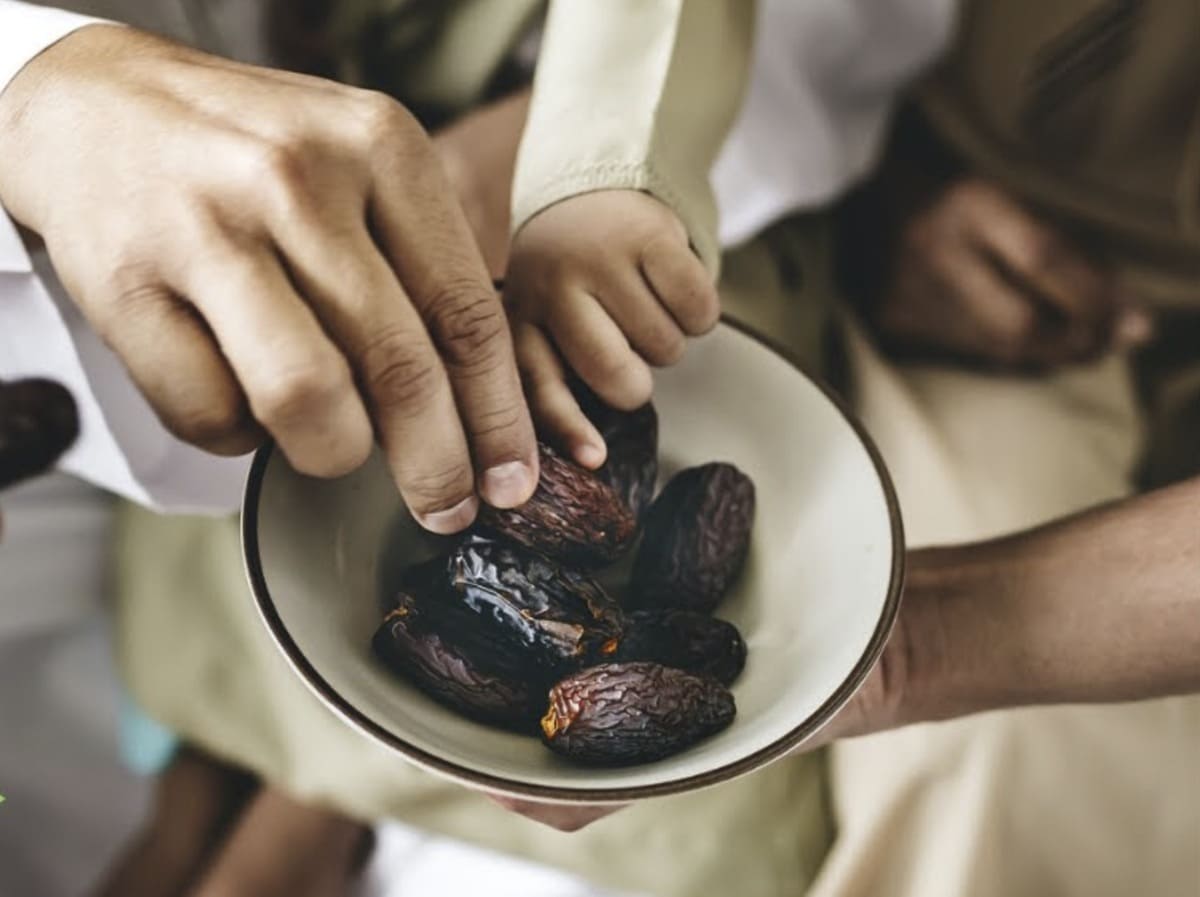
Eating during Ramadan fasting should support sustainable energy.
Complex carbohydrates slow down the sugar response. Fibre-rich foods stabilise digestion and support it. Lean protein reduces glycaemic load.
The carbs and protein combination enhances blood sugar stabilisation. This prevents sugar spikes and energy crashes. Small balanced meals every 2-3 hours after iftar reduce the load on gut health. The hormonal balance is improving. The body retains energy stability. Salt intake should be better limited. Excessive thirst complicates hydration balance.
Nutrition during this period is not abundant. This is precision.
Sleep and Circadian Rhythm
Disrupted sleep is almost inevitable. Late iftar. Early suhoor. The circadian rhythm shift.
The recommended sleep duration is 7-8 hours. The minimum night sleep block is at least 4 hours. Additional rest after suhoor enhances recovery practices.
Herbal teas such as lavender and chamomile promote relaxation before bedtime.
Without sufficient sleep, mood stability worsens. Cortisol increases. Muscle stiffness increases. Sleep is the foundation of regulation.
Low-Intensity Exercise and Muscle Recovery
Physical activity must adapt. Low-intensity exercise is preferable. Yoga, stretching or gentle movement. It is better to shorten the workout duration. Sometimes it makes more sense to break exercise into segments. Several short sessions are more effective than one intensive one. Hydrate before and after exercise. This protects the electrolyte balance. Reduces the risk of dehydration.
This strategy supports flexibility maintenance and joint stiffness prevention. The body recovers without overloading.
Massage Therapy and Restorative Therapies
Massage therapy during fasting does not break the fast. It is important to understand this.
Light pressure massage enhances circulation improvement. Foot reflexology supports fluid movement. Aromatherapy massage reduces stress. The muscles relax. Muscle contraction is decreasing. Oxygen flow is improving.
During Ramadan, many people intentionally seek restorative care as part of their routine. Visiting a spa & massage environment can provide a controlled, calming space that supports nervous system regulation. Choosing the best relaxation massage Dubai offers can further enhance parasympathetic activation, especially when fatigue and sleep disruption accumulate.
Such restorative therapies activate nervous system regulation and enhance parasympathetic activation. Especially with fatigue relief and sleep disruption.
The Psychology of Constraint and The Reward System Reset
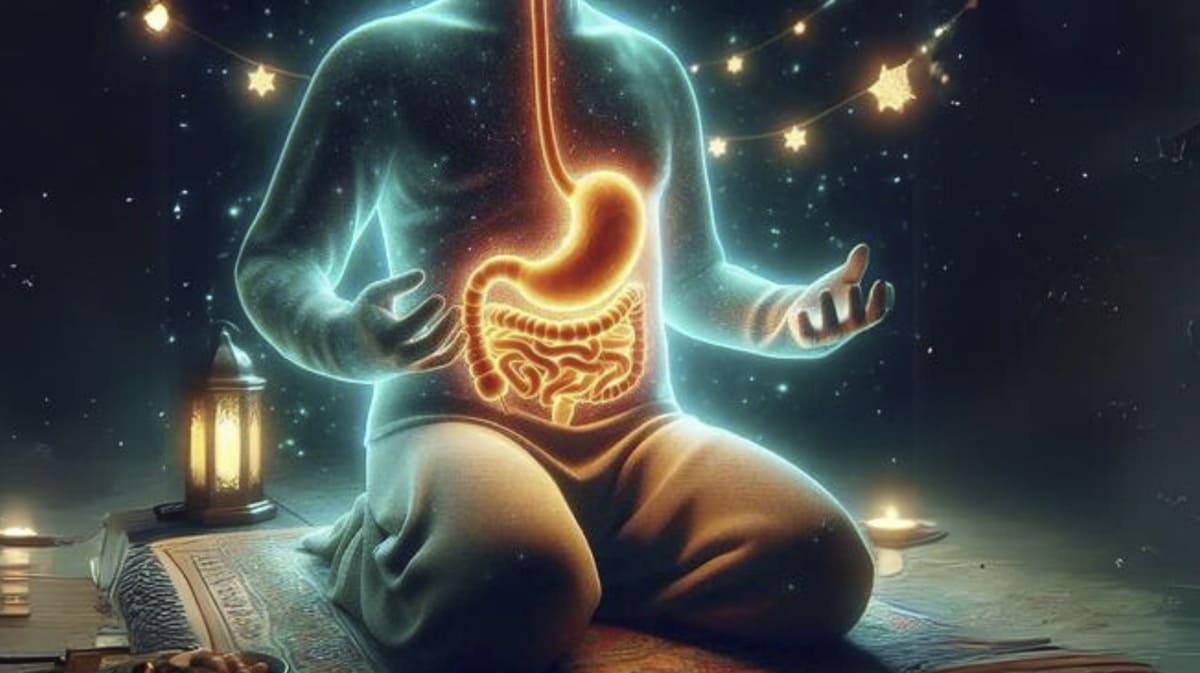
Restriction enhances internal awareness. Decreased external stimulation changes dopamine sensitivity. A reward system reset occurs.
Simple things get deeper. Connection feels brighter. Gratitude practice enhances emotional resilience.
Mindfulness develops naturally. The restriction ceases to be a restriction. It becomes a tool of awareness.
Holistic Wellness as a System Model
Ramadan is not just about caloric deprivation. This is a comprehensive restructuring.
Hydration strategy. Balanced meals. Sleep hygiene. Gentle movement. Restorative therapies. Reflection. Structured routine.
When the elements connect, the fasting becomes regulatory rather than destructive.
Metabolic flexibility is enhanced. Inflammatory markers are declining. Energy stability becomes sustainable.
Ramadan is a period of self-care in a deep sense. Not indulgence. Not redundancy. And mindful self-care. Spiritual discipline connects with physiological adaptation. Body awareness is enhanced through structured fasting.
And if you keep a balance between hydration, nutrition, sleep and nervous system regulation, the month passes not through exhaustion, but through renewal.
The calmness becomes palpable.
Energy is sustainable.
And the inner rhythm is smooth and clear.

I write about how sites, digital tools and work processes affect real work. I am interested not in trends for trends’ sake, but in clear solutions that make the digital environment more convenient, more stable and more useful.