
Digestive Health
Gallstones look harmless on a scan, until they aren’t
Around one in ten adults worldwide carries gallstones, and the UAE sees higher-than-average rates thanks to lifestyle factors like diet and obesity. Many people never feel a thing. Others end up in the emergency department at 2am with a fever and yellow eyes. The difference between those two outcomes usually comes down to how quickly symptomatic stones are recognised and treated.
What are gallstones, and why do they form?
The gallbladder is a small pear-shaped pouch tucked under your liver. It stores bile, a fluid that helps you digest fats. When the chemistry of that bile shifts, hard deposits can crystallise inside the gallbladder. These are gallstones. They range from grains of sand to the size of a golf ball.
There are two main types. Cholesterol stones are the most common and form when bile carries too much cholesterol. Pigment stones are darker and form when bile contains too much bilirubin, often linked to blood disorders or liver disease. According to medical literature on gallstones cholesterol stones account for roughly 80% of cases in most populations.
Why they appear comes down to a mix of genetics, diet, hormones and how quickly the gallbladder empties. Diets high in refined carbs and saturated fat, common in busy UAE lifestyles, tip the balance in the wrong direction.
Symptomatic vs silent: the trade-off you can’t ignore
Silent gallstones (no symptoms)
- Often found by accident on ultrasound
- Usually monitored, not operated on
- Low lifetime risk of complications
- Lifestyle changes can slow new stone formation
- Regular follow-up with your doctor is enough
Symptomatic gallstones (ignored)
- Repeated attacks of severe upper abdominal pain
- Gallbladder inflammation (cholecystitis)
- Blocked bile ducts and jaundice
- Pancreatitis, which can be life-threatening
- Sepsis from infected bile
The pattern is fairly consistent: once a stone has caused pain, it is very likely to cause pain again, and each attack raises the chance of a complication. That is the point at which most surgeons in the UAE recommend removing the gallbladder rather than waiting.

Common symptoms to watch for
Gallstone pain has a fairly distinctive pattern. It usually starts an hour or two after a heavy or fatty meal, a shawarma platter, a rich biryani, or a late dinner with plenty of ghee. The pain settles in the upper right abdomen and can last from thirty minutes to several hours.
- Pain after fatty mealsoften in the evening or at night
- Steady upper abdominal pain that does not ease with position changes
- Pain radiating to the right shoulder or between the shoulder blades
- Nausea and vomiting during an attack
- Bloating, belching and indigestionespecially after rich food
- Yellowing of the eyes or skinwhich suggests a blocked bile duct and needs urgent attention
Many people in the UAE mistake early attacks for food poisoning or acidity and try over-the-counter antacids. That works for a while, but it doesn’t remove the stone. The pain returns, usually worse.
What actually happens if gallstones are left untreated
Complications don’t arrive gradually. They tend to appear during a single bad attack, and by then you’re on the way to hospital.
- Acute cholecystitis. A stone gets stuck in the neck of the gallbladder. Bile can’t drain, the wall swells, and bacteria move in. Expect fever, severe right-sided pain and tenderness. Untreated, the gallbladder can perforate.
- Choledocholithiasis (blocked bile duct). A stone slips out of the gallbladder and lodges in the common bile duct. Bile backs up into the bloodstream.
- Jaundice. The backed-up bile turns the whites of the eyes and skin yellow. Urine goes dark, stools go pale. This is a red flag.
- Ascending cholangitis. An infected, blocked bile duct is a surgical emergency. Fever, chills, jaundice and confusion together are known as Charcot’s triad.
- Gallstone pancreatitis. A stone blocks the pancreatic duct where it joins the bile duct. The pancreas begins to digest itself. According to the NHS overview of gallstone complications severe pancreatitis has a real mortality risk.
- Gallbladder cancer. Rare, but the long-term risk is higher in people who have carried large stones for many years.
This is why an experienced gallstones surgeon in Dubai and Sharjah will usually recommend timely removal once symptoms start rather than waiting for a complication to force the decision.
Who is most at risk in the UAE?
- Womenespecially between 20 and 60, due to oestrogen’s effect on bile
- Pregnancyhormonal shifts slow gallbladder emptying
- Obesitya major driver across the Gulf region
- Type 2 diabeteswhich changes bile composition
- Rapid weight lossincluding after bariatric surgery or crash diets
- Family history of gallstones
- High cholesterol and metabolic syndrome
- Age over 40risk climbs with each decade
If two or more of these apply to you and you’ve had unexplained upper abdominal pain, an ultrasound is worth the appointment.

Treatment options available today
Treatment depends on whether the stones are causing symptoms, how big they are, and whether complications have already started.
Watchful waiting. If stones are found by accident and cause no symptoms, most doctors recommend monitoring with periodic check-ups. Diet and exercise adjustments are usually enough.
Medications. Bile acid tablets like ursodeoxycholic acid can dissolve small cholesterol stones, but the process takes months and stones often come back once you stop the drug. Medication is rarely a long-term fix.
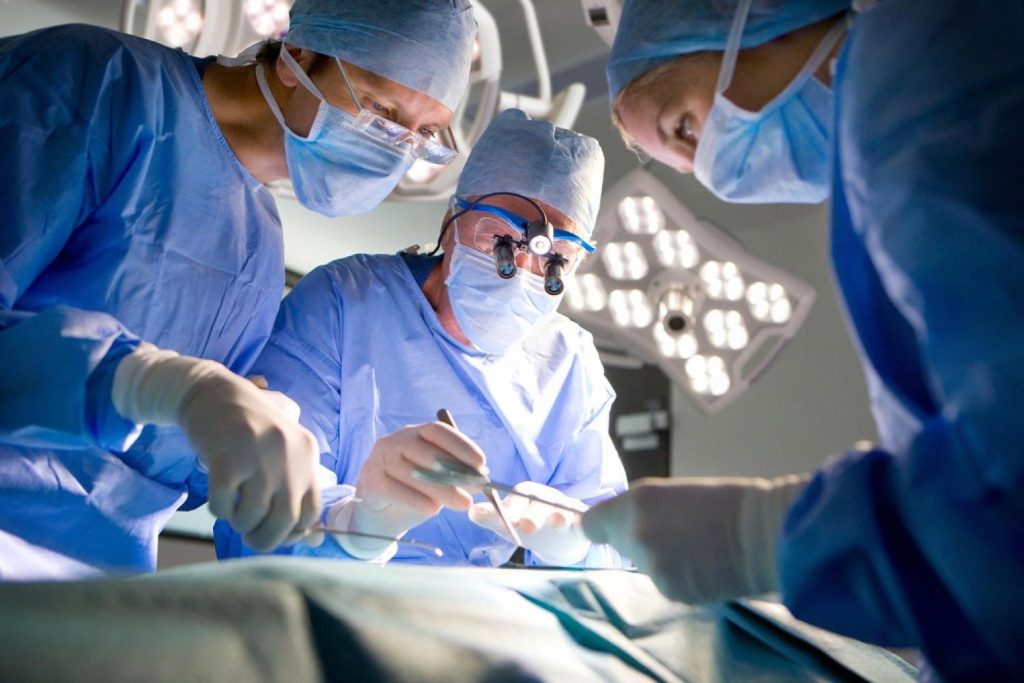
Laparoscopic cholecystectomy. The gallbladder is removed through four small keyhole incisions. It’s the gold standard for symptomatic gallstones and is performed routinely across UAE hospitals. Most patients go home the next day and are back to office work within a week.
ERCP. If a stone is stuck in the bile duct, an endoscopic procedure can remove it before or after gallbladder surgery.
Life without a gallbladder is genuinely normal for the vast majority of people. The liver continues to produce bile, it just drips into the intestine continuously rather than being stored. A small number of patients notice looser stools with very fatty meals for the first few weeks, and that usually settles.
Practical next steps
Get an ultrasound
If you’ve had two or more episodes of right-sided upper abdominal pain after fatty meals, book an abdominal ultrasound. It’s quick, painless and definitive.
Adjust the fundamentals
Aim for a stable, healthy weight, prioritise fibre and lean protein, walk daily, and avoid crash diets. Sudden weight loss actually triggers stones.
See a specialist early
Don’t wait for jaundice or a fever. A hepatobiliary specialist can tell you whether to monitor or operate, based on your specific stones and symptoms.
The best time to deal with symptomatic gallstones is before the first complication, not after.
Frequently asked questions
Can gallstones go away on their own?
No, gallstones don’t dissolve naturally. In rare cases very small cholesterol stones may pass into the intestine, but the vast majority stay in the gallbladder and either remain silent or cause repeated attacks. Once you’ve had one symptomatic episode, further episodes are highly likely.
Is gallbladder removal safe, and can I live normally without it?
Laparoscopic gallbladder removal is one of the most commonly performed operations worldwide and has an excellent safety record when done by an experienced surgeon. You can live a completely normal life without a gallbladder. Bile simply flows continuously from the liver into the intestine instead of being stored. Most people notice no difference in digestion after the first few weeks.
What foods should I avoid if I have gallstones?
While waiting for treatment, cut back on deep-fried food, heavy cream, full-fat dairy, fatty cuts of meat and rich desserts. These trigger the gallbladder to contract hard, which is what causes an attack when a stone blocks the outlet. Small, balanced meals with lean protein, vegetables and whole grains are much easier to tolerate.
How urgent is jaundice with gallstones?
Very urgent. Yellowing of the eyes or skin usually means a stone has blocked the bile duct. Without prompt treatment this can progress to a serious infection called cholangitis, which is a medical emergency. If you notice jaundice, dark urine or pale stools alongside abdominal pain, go to the nearest hospital in the UAE the same day.
Do gallstones increase the risk of pancreatitis?
Yes. When a stone migrates and blocks the pancreatic duct, it can trigger acute pancreatitis, an inflammation of the pancreas. Gallstones are one of the two leading causes of pancreatitis worldwide. Severe cases can require intensive care, which is a big reason surgeons recommend removing the gallbladder after the first symptomatic attack.
Are gallstones more common in the UAE than elsewhere?
Rates in the Gulf region tend to be higher than the global average, which is largely explained by lifestyle factors: high rates of obesity, diabetes and diets rich in refined carbohydrates and saturated fats. Genetic factors also play a role in certain populations living in the UAE.
How long is recovery after laparoscopic gallbladder surgery?
Most patients spend one night in hospital and are back to light activity within a few days. Office work is usually possible within a week, and full activity including gym workouts within three to four weeks. Recovery is faster than after open surgery because the incisions are small.

I write about how sites, digital tools and work processes affect real work. I am interested not in trends for trends’ sake, but in clear solutions that make the digital environment more convenient, more stable and more useful.